Isamu Noguchi "Humpty Dumpty" T-shirt
“Untitled” (America) features renowned works from the Whitney's collection alongside recent acquisitions, highlighting key ideas and approaches in American art from 1900 through the early 1980s.
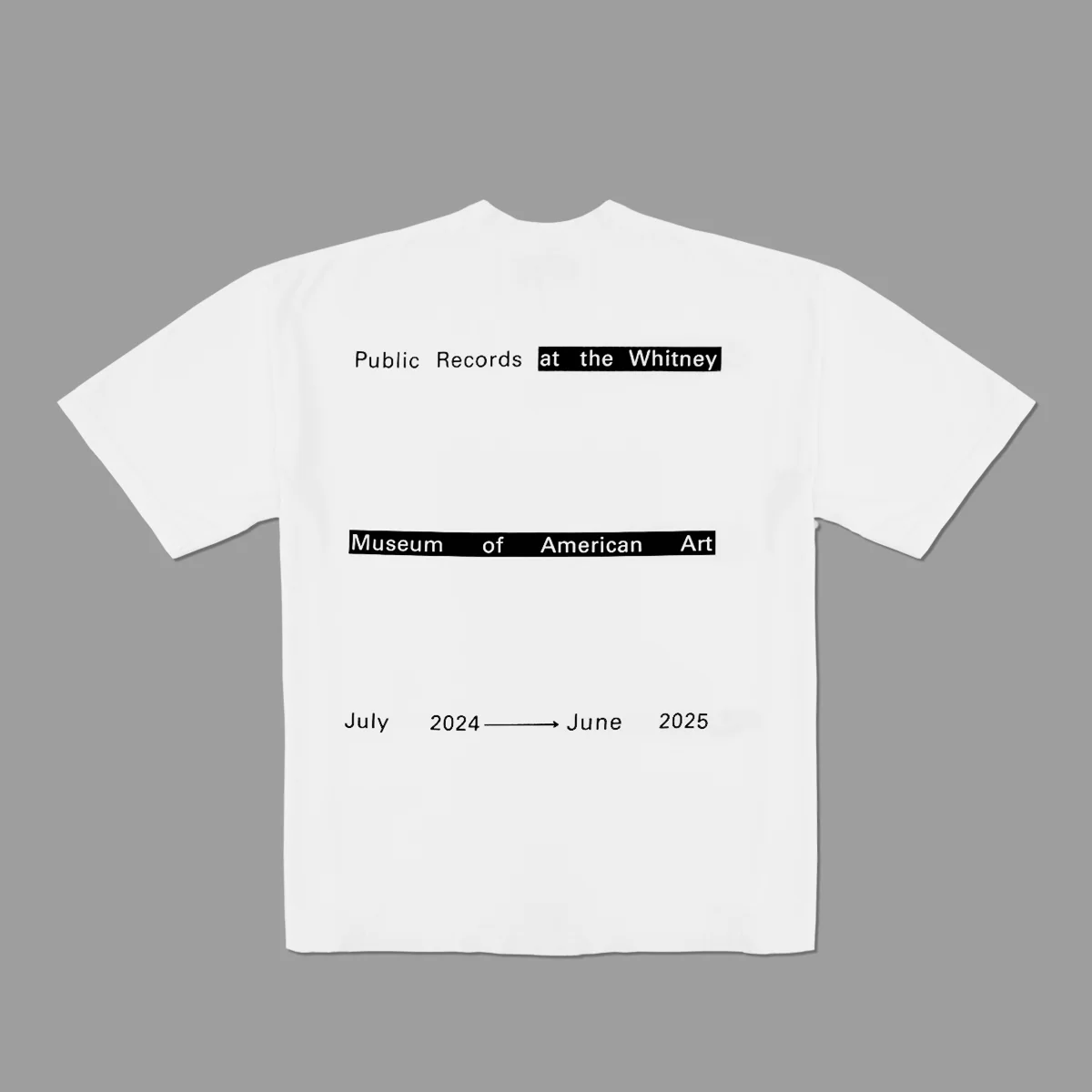
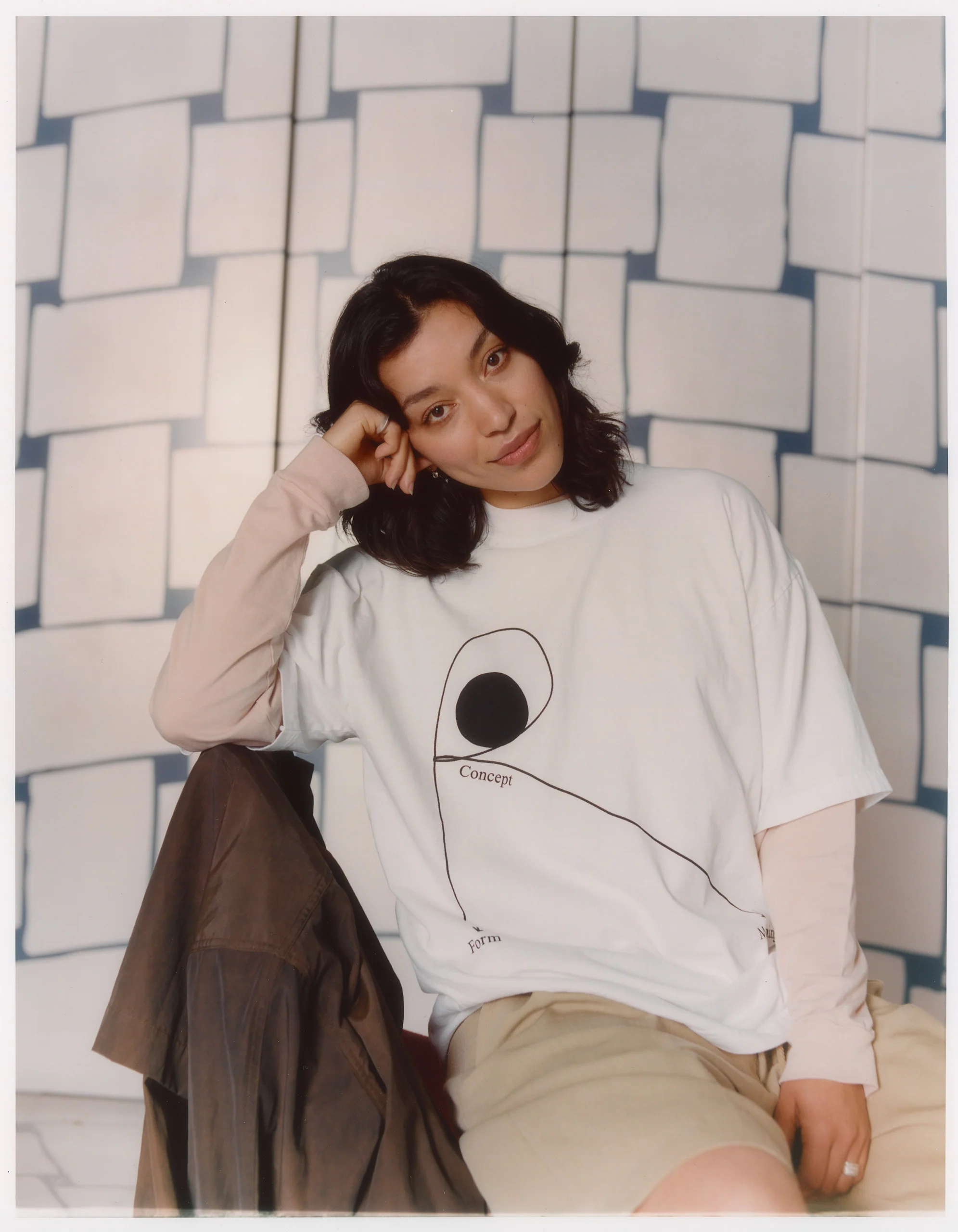
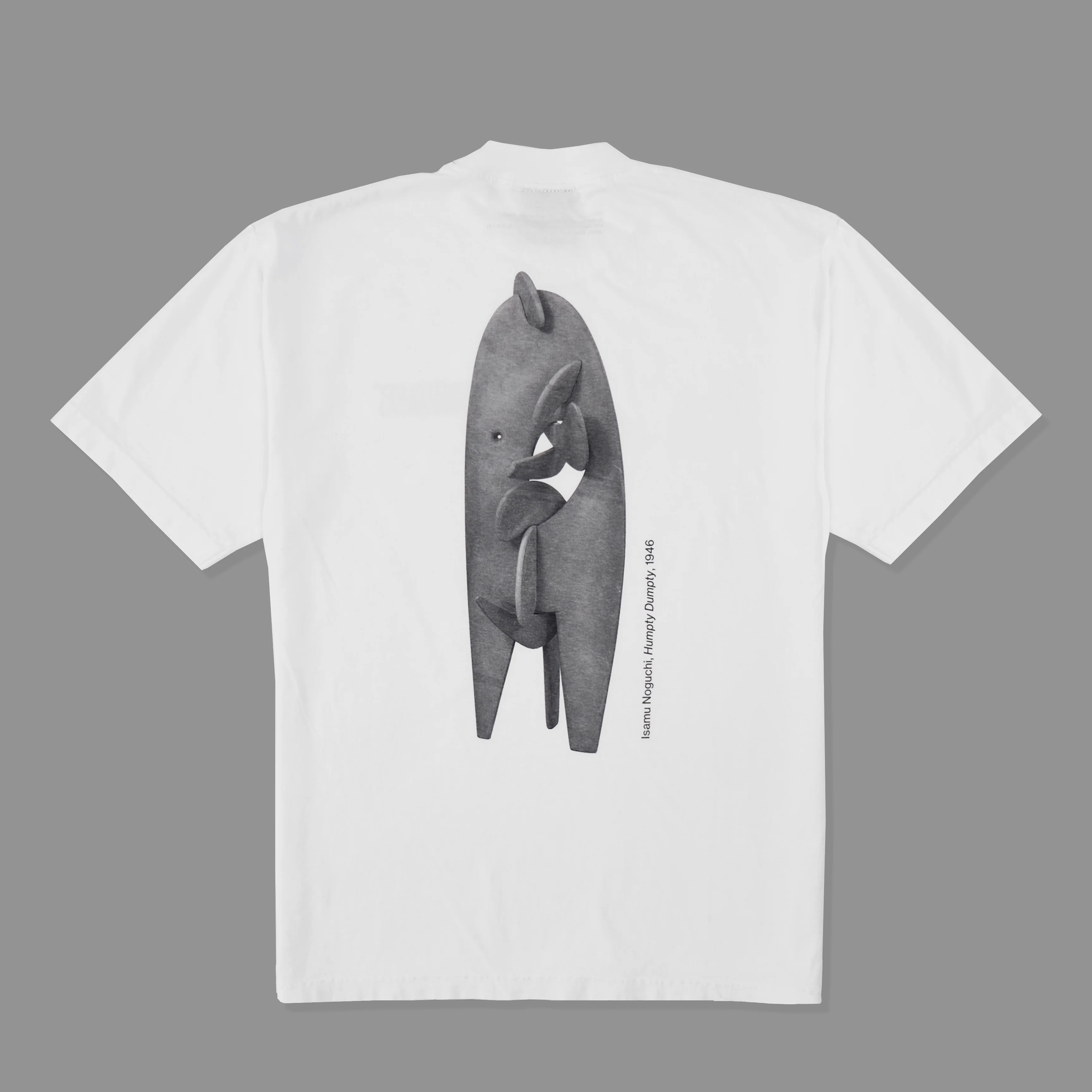
On the occasion of the exhibition, we have produced this 100% cotton t-shirt featuring Isamu Noguchi's Humpty Dumpty (1946).
About the artwork: In the mid-1940s, Isamu Noguchi began producing some of his most original works, comprised of interlocking, rounded forms in materials such as wood and gray slate. Humpty Dumpty, an emblematic work from this period, was carefully constructed so that its nine parts would fit together and stay in place without glue or screws. As Noguchi explained, “everything I do has an element of engineering in it—particularly since I dislike gluing parts together or taking advantage of something that is not inherent in the material. I am leery of welding or pasting. It implies taking an unfair advantage of nature.” The title Humpty Dumpty playfully acknowledges the work’s precarious construction, while the roundness of the forms evokes the famously plump character of the children’s rhyme.
On the occasion of the exhibition, we have produced this 100% cotton t-shirt featuring Isamu Noguchi's Humpty Dumpty (1946).
About the artwork: In the mid-1940s, Isamu Noguchi began producing some of his most original works, comprised of interlocking, rounded forms in materials such as wood and gray slate. Humpty Dumpty, an emblematic work from this period, was carefully constructed so that its nine parts would fit together and stay in place without glue or screws. As Noguchi explained, “everything I do has an element of engineering in it—particularly since I dislike gluing parts together or taking advantage of something that is not inherent in the material. I am leery of welding or pasting. It implies taking an unfair advantage of nature.” The title Humpty Dumpty playfully acknowledges the work’s precarious construction, while the roundness of the forms evokes the famously plump character of the children’s rhyme.
Select SIZE
From $28.00
Original: $80.00
-65%Isamu Noguchi "Humpty Dumpty" T-shirt—
$80.00
$28.00More Images
Isamu Noguchi "Humpty Dumpty" T-shirt
“Untitled” (America) features renowned works from the Whitney's collection alongside recent acquisitions, highlighting key ideas and approaches in American art from 1900 through the early 1980s.
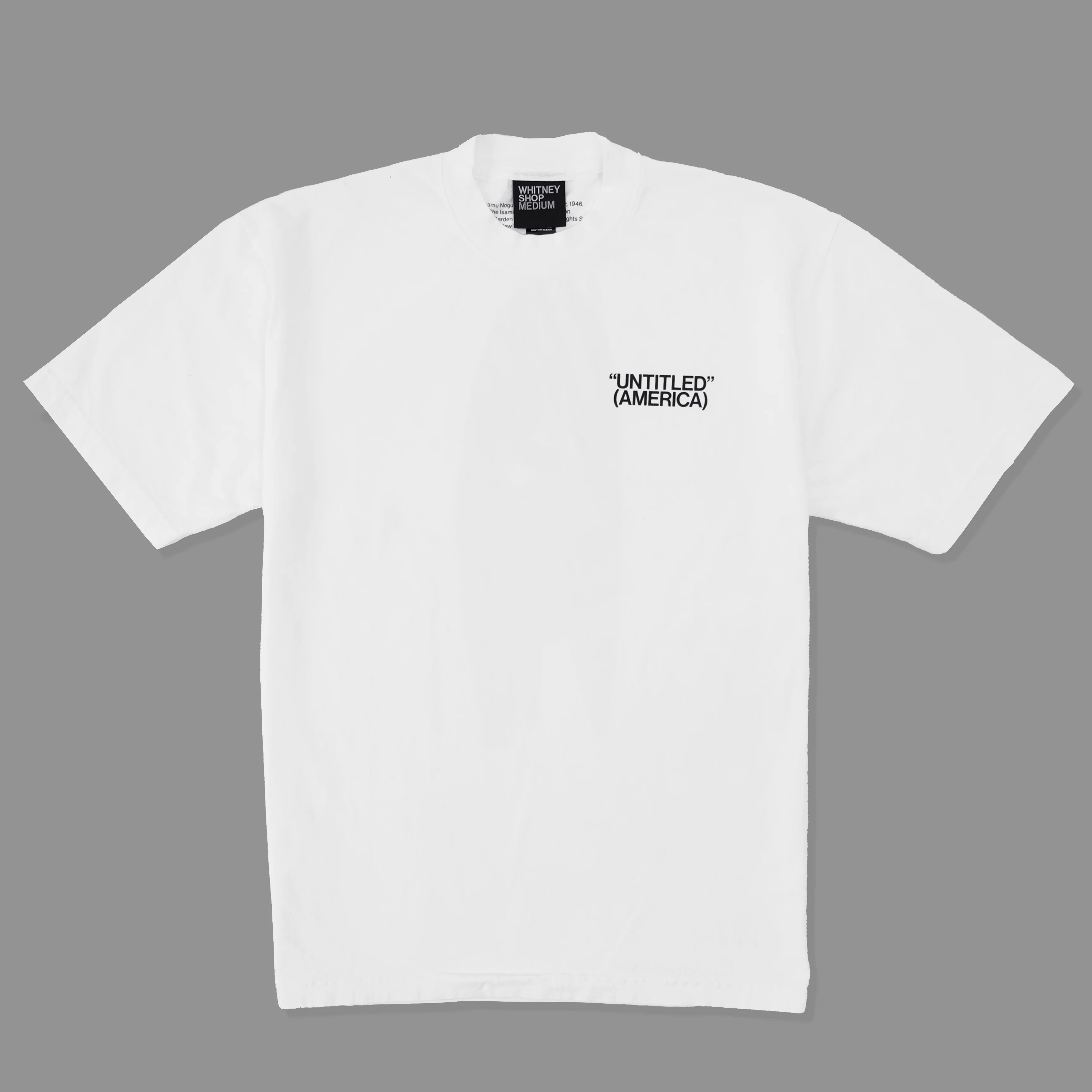
On the occasion of the exhibition, we have produced this 100% cotton t-shirt featuring Isamu Noguchi's Humpty Dumpty (1946).
About the artwork: In the mid-1940s, Isamu Noguchi began producing some of his most original works, comprised of interlocking, rounded forms in materials such as wood and gray slate. Humpty Dumpty, an emblematic work from this period, was carefully constructed so that its nine parts would fit together and stay in place without glue or screws. As Noguchi explained, “everything I do has an element of engineering in it—particularly since I dislike gluing parts together or taking advantage of something that is not inherent in the material. I am leery of welding or pasting. It implies taking an unfair advantage of nature.” The title Humpty Dumpty playfully acknowledges the work’s precarious construction, while the roundness of the forms evokes the famously plump character of the children’s rhyme.
On the occasion of the exhibition, we have produced this 100% cotton t-shirt featuring Isamu Noguchi's Humpty Dumpty (1946).
About the artwork: In the mid-1940s, Isamu Noguchi began producing some of his most original works, comprised of interlocking, rounded forms in materials such as wood and gray slate. Humpty Dumpty, an emblematic work from this period, was carefully constructed so that its nine parts would fit together and stay in place without glue or screws. As Noguchi explained, “everything I do has an element of engineering in it—particularly since I dislike gluing parts together or taking advantage of something that is not inherent in the material. I am leery of welding or pasting. It implies taking an unfair advantage of nature.” The title Humpty Dumpty playfully acknowledges the work’s precarious construction, while the roundness of the forms evokes the famously plump character of the children’s rhyme.
Product Information
Product Information
Shipping & Returns
Shipping & Returns
Description
“Untitled” (America) features renowned works from the Whitney's collection alongside recent acquisitions, highlighting key ideas and approaches in American art from 1900 through the early 1980s.
On the occasion of the exhibition, we have produced this 100% cotton t-shirt featuring Isamu Noguchi's Humpty Dumpty (1946).
About the artwork: In the mid-1940s, Isamu Noguchi began producing some of his most original works, comprised of interlocking, rounded forms in materials such as wood and gray slate. Humpty Dumpty, an emblematic work from this period, was carefully constructed so that its nine parts would fit together and stay in place without glue or screws. As Noguchi explained, “everything I do has an element of engineering in it—particularly since I dislike gluing parts together or taking advantage of something that is not inherent in the material. I am leery of welding or pasting. It implies taking an unfair advantage of nature.” The title Humpty Dumpty playfully acknowledges the work’s precarious construction, while the roundness of the forms evokes the famously plump character of the children’s rhyme.
On the occasion of the exhibition, we have produced this 100% cotton t-shirt featuring Isamu Noguchi's Humpty Dumpty (1946).
About the artwork: In the mid-1940s, Isamu Noguchi began producing some of his most original works, comprised of interlocking, rounded forms in materials such as wood and gray slate. Humpty Dumpty, an emblematic work from this period, was carefully constructed so that its nine parts would fit together and stay in place without glue or screws. As Noguchi explained, “everything I do has an element of engineering in it—particularly since I dislike gluing parts together or taking advantage of something that is not inherent in the material. I am leery of welding or pasting. It implies taking an unfair advantage of nature.” The title Humpty Dumpty playfully acknowledges the work’s precarious construction, while the roundness of the forms evokes the famously plump character of the children’s rhyme.